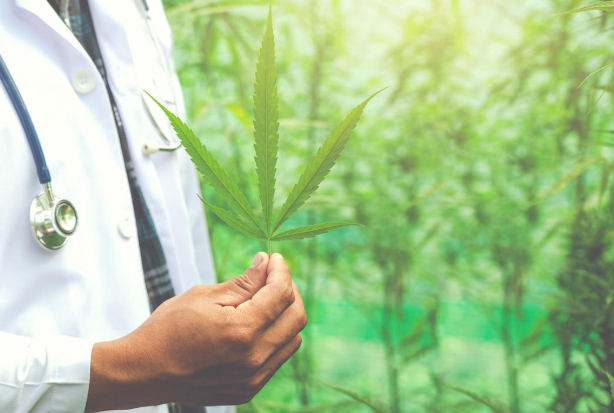
Medical marijuana doctors help patients who choose cannabis and prefer drugs made from dried leaves, flowers, stems, and seeds for therapeutic purposes. Medical marijuana and cannabis provide relief for a range of symptoms associated with chronic pain, anxiety, and other health conditions. A marijuana doctor evaluates individual needs, develops treatment plans, and guides patients to choose the right products. Here is a look at how a medical marijuana doctor helps patients live a healthy life.
1. Expert Guidance from Medical marijuana Physicians
A medical cannabis physician has expertise and specialized training in the endocannabinoid system to treat specific conditions. They conduct a comprehensive medical evaluation to know the medical history, medicines, and current health conditions of the patient to determine the most suitable treatment options. A trusted medical marijuana physician enhances quality of life by providing personalized care and expert guidance in the use of medical cannabis. They understand that each patient’s journey is unique and provide treatment plans tailored to meet individual health needs.
2. Open Communication for Better Treatment
In medical marijuana treatment, the most important factor is the doctor–patient relationship. A physician develops trust and communicates openly with patients to create a personalized plan that meets their needs. A marijuana doctor asks detailed questions and listens carefully to the responses. They consider the patient’s opinions and perspectives about medical marijuana products to ensure safe and effective treatment. Patients should explain their concerns clearly so that the doctor can design the best possible care.
3. Personalized Cannabis Care Plans
A medical marijuana doctor considers aspects of a patient’s life, such as history, living conditions, current health, lifestyle, and preferences, during the development of a care plan. The doctor takes into account factors such as the medical condition being treated, severity of symptoms, age, overall health, other medical conditions, and medications. The doctor also provides guidance in areas such as diet, exercise, and stress management. This allows the doctor to monitor progress and evaluate any side effects if experienced.
4. Educate Patients About Cannabis Therapy
A responsible medical cannabis physician educates patients about different strains, consumption methods, and potential side effects. They explain how cannabinoids and terpenes interact with the body. They also address misconceptions and provide evidence-based information to eliminate doubts. They inform patients that medical marijuana is not addictive and does not cause psychosis. Medical marijuana is less potent than recreational marijuana and is beneficial for certain health conditions.
5. Ethical Practice in Cannabis Care
The most important duty is the legal and ethical responsibility of a medical marijuana doctor to inform patients that they must meet eligibility criteria for medical marijuana certification. The doctors keep themselves updated with the latest guidelines and regulations in their state. This helps patients remain legally compliant and ensures they receive correct information to support their safety and well-being. Medical marijuana doctors focus on transparency and patient trust to ensure professional ethics, clinical evidence, and state-regulated cannabis care standards for the well-being and health of patients.